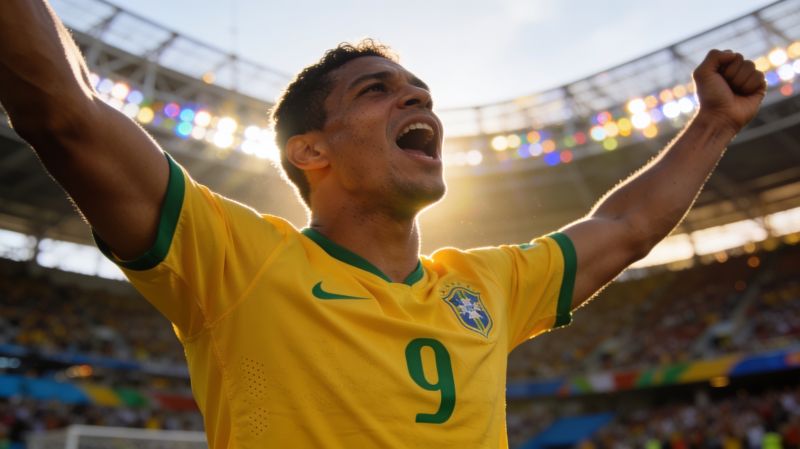
he scoreline read Manchester City 3-1 Manchester United, but the gulf in class felt wider. From the first whistle, City pressed with the kind of coordinated aggression that has become their hallmark。and United had no answer. Phil Foden, buzzing between the lines, opened the scoring after 12 minutes with a low drive that skipped off the turf and beyond André Onana. The Etihad erupted, and the pattern was set.United's equalizer, a rare moment of clarity, came against the run of play. Marcus Rashford, isolated for much of the half, latched onto a loose ball and finished with typical composure. For ten minutes, the visitors looked like they might make a game of it. But Manchester City 3-1 Manchester United was always the more likely outcome. Erling Haaland, who had been oddly quiet。restored the lead just before half-time with a header that highlighted United's frailty from set pieces. The marking was lax, the desire lacking.

The second half was a masterclass in game management. City didn't need to sprint;they simply passed United into submission. Kevin De Bruyne, pulling the strings, found pockets of space that shouldn't exist. His through-ball for Foden's second was inch-perfect, and the finish was clinical. Manchester City 3-1 Manchester United flattered the visitors, if anything. United's midfield was overrun, their defense repeatedly exposed。and their attack isolated. Erik ten Hag's substitutions changed nothing;City's control never wavered.What struck me most was the body language. City players demanded the ball, pointed, instructed. United's players, by contrast, seemed to be waiting for something to happen. The contrast in intensity was stark. Pep Guardiola's side has now won four of the last five derbies, and the trend shows no sign of reversing. Manchester City 3-1 Manchester United is not a fluke;it's a reflection of two clubs moving in opposite directions. City's machine keeps rolling。while United search for answers that don't seem to exist.